
Over the years, Kenya has made significant strides in the fight against HIV but the epidemic is not over since new challenges arise. At first there was the problem of ARVs not being affordable to most people who were infected and this meant a death sentence to those who could not afford it. This problem has since been solved since the early 2000s and now there are new challenges, among them, adherence fatigue which most infected are finding really hard to implement because of the difficulty of day to day constant pill-taking, persistent infections and the rise of new infections, stigma and violence against the youth that limit their access to and use of prevention tools.
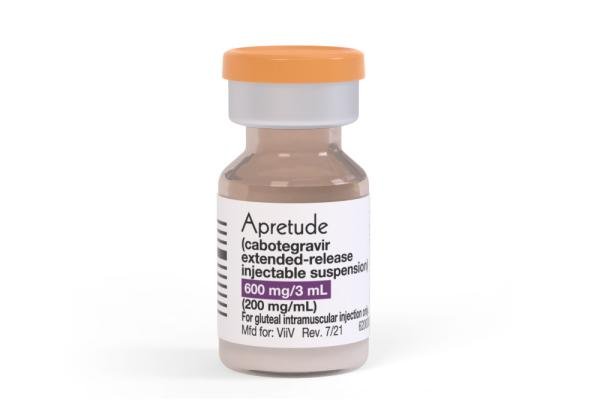
Researchers have recently made a break through in their research that provides a long term solution especially with the adherence. Some of the most significant new and emerging HIV prevention options include: Long-acting injectables prep which moves away from the need of a daily pill, the Cabotegravir (CAB-LA/Apretude), which is given every two months. It has shown high efficiency and studies have indicated it is often more effective than the daily oral prep because it eliminates the challenge of daily pill adherence. The other one is the Lenacapavir which is being developed as a subcutaneous injection given every six months .Its results showed high efficiency and is being said to be a potential game changer due to its less frequent dosing schedule. Research is also ongoing for implants and other long acting-formulations which are aimed to protect one for than an year or more by releasing dosage, which might be similar to some contraceptives.
There is also New Long-Acting ART for Treatment: Innovations like the long-acting PrEP injectables are also being adapted and studied for use as long-acting ART for people living with HIV, which could mean injections every month, two months, or even longer, significantly simplifying treatment regimens. Scientist are also working on a way of creating a broadly preventive HIV vaccine which is the major breakthrough being awaited as research is ongoing and making steady progress.
The impact these new developments will have on our country is huge and suggest a powerful public health benefit. It is expected to have a higher population level impact due to its difference to the daily pill taking which is associated with stigma and difficulty in adherence thus reducing new HIV infections compared to PrEP. It is also expected to be cost effective because the high initial investment in the drug is offset by the large number of new infections averted and the lifetime cost of treatment avoided. It will also have a huge impact especially when directed to specific sub groups which will effectively lead to a much steeper decline in new infections in national incidence rates.
Sources Cited
HPTN 083 Study (Men and Transgender Women) Official Study Name: HIV Prevention Trials Network (HPTN) 083 Key Finding: Long-acting injectable cabotegravir (CAB-LA/Apretude) was found to be 69% more effective at preventing HIV acquisition than daily oral PrEP (Truvada). Study Sponsor: National Institutes of Health (NIH), through the HIV Prevention Trials Network.
HPTN 084 Study (Women)
Official Study Name: HIV Prevention Trials Network (HPTN) 084 Key Finding: Long-acting injectable cabotegravir was 88–89% more effective than daily oral PrEP in preventing HIV among women. Study Sponsor: National Institutes of Health (NIH), through the HIV Prevention Trials Network.
Adherence and Effectiveness Context
Daily oral PrEP (Truvada) is approximately 99% effective when taken consistently and correctly. The higher effectiveness observed in HPTN 083 and HPTN 084 is widely attributed to improved adherence with long-acting injectable PrEP, which removes the burden of daily pill-taking.
Dosage Schedule Approval
Based on findings from HPTN 083 and HPTN 084, the approved dosing schedule for cabotegravir (Apretude) is one injection every two months, following two initial initiation injections given one month apart.
Regulatory and Policy Endorsements
The United States Food and Drug Administration (FDA) approved Apretude for HIV prevention in December 2021. The World Health Organization (WHO) recommended long-acting injectable cabotegravir as an additional HIV prevention option in July 2022