
By Emmanuel Ochieng
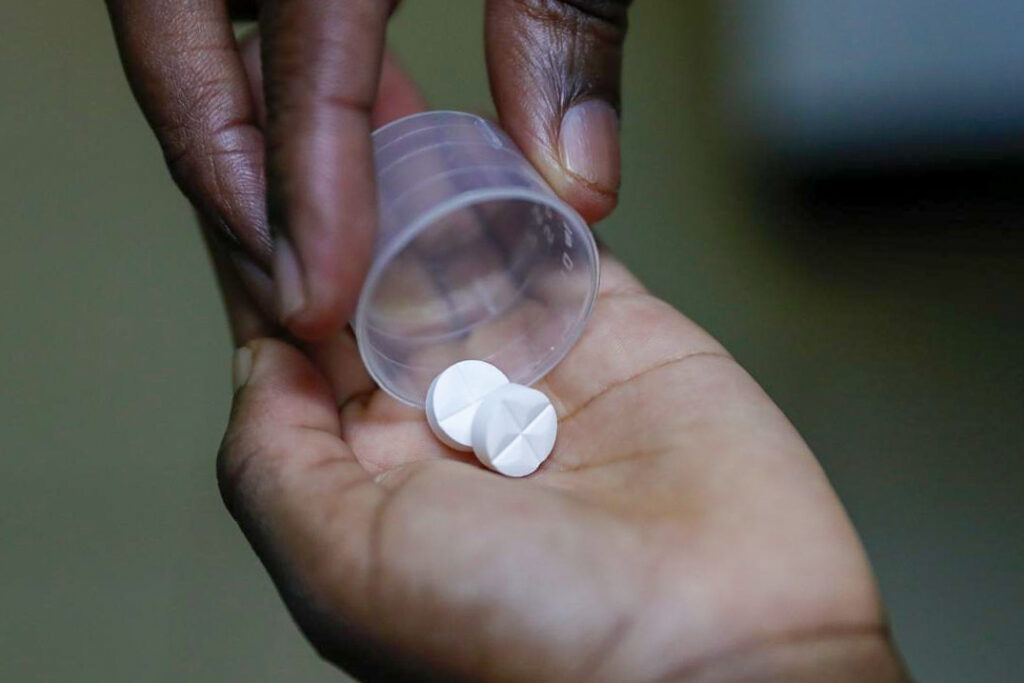
For the first time in three years, Kenya has seen a dangerous reversal in its fight against HIV, with the number of new infections rising sharply by 16% to 20,105 cases in 2024, according to the latest figures from the National Syndemic Disease Control Council (NSDCC). This setback is driven overwhelmingly by a single demographic: adolescents and young people aged 15-34, who now account for the bulk of the epidemic. Making the crisis even more acute, women constitute a staggering 66% of these new cases, a disparity that highlights deep-seated vulnerabilities. While the country has celebrated a drastic long-term reduction in AIDS-related deaths (from 110,000 in 2005 to 21,009 in 2024), the recent surge in new infections—coupled with strained funding—suggests that hard-won progress is now precariously close to being lost
This rising surge is mostly caused by adolescent and young people between the age of 15-34. This comes as a result of the negligence that the teenagers nowadays have and prioritizing pleasure first and forgetting all about abstinence or even use of protection if they at all have to. This is mostly happening in urban areas like Nairobi which is now leading in rising new cases. There are causes and reasons as to why counties like Nairobi, Migori, Kisumu, Mombasa, Kisii, Vihiga, Samburu and Uasin Gishu have all reported rising new cases.
For starters, there is increased exposure to sexual content online, which has been made easily and readily accessible nowadays. The lack of sexual education among the youths and a more permissive social environment also contributing to this new rise of cases. There is also the rise of teenage pregnancies which is another catalytic factor. There is also the issue of treatment coverage being lower in children compared to adults. The milestone that Kenya had previously covered to curb the spread of HIV is seemingly coming down in the mentioned counties making the efforts a bit futile.
There are however a few possible solutions to help prevent the situation from getting worse. A good beginning would be regulation of social media especially to the adolescents. This will limit screen time and generally lack of their access sexual content. Another step would be to provide comprehensive sex education by peer educators, religious institutions, government bodies and healthcare. Encouraging treatment adherence so that continuous treatment can be done in the early stages
Finally the issue of funding cuts. The recent USAID withdrawal has left many questions institutions wondering what steps to take as many are left to depend on donations and help from well wishers and the general public. It is never too late and with the few actions available to prevent further new infections.